

The global transition toward a low-carbon economy has fundamentally altered the rules of industrial competitiveness. For energy producers and heavy manufacturing enterprises, sustainability can no longer exist as a peripheral compliance department or a branding exercise. Stricter international trade mechanisms, evolving carbon pricing frameworks, and rising expectations from global capital providers require an executive mindset that embeds environmental resilience directly into corporate strategy and resource allocation.
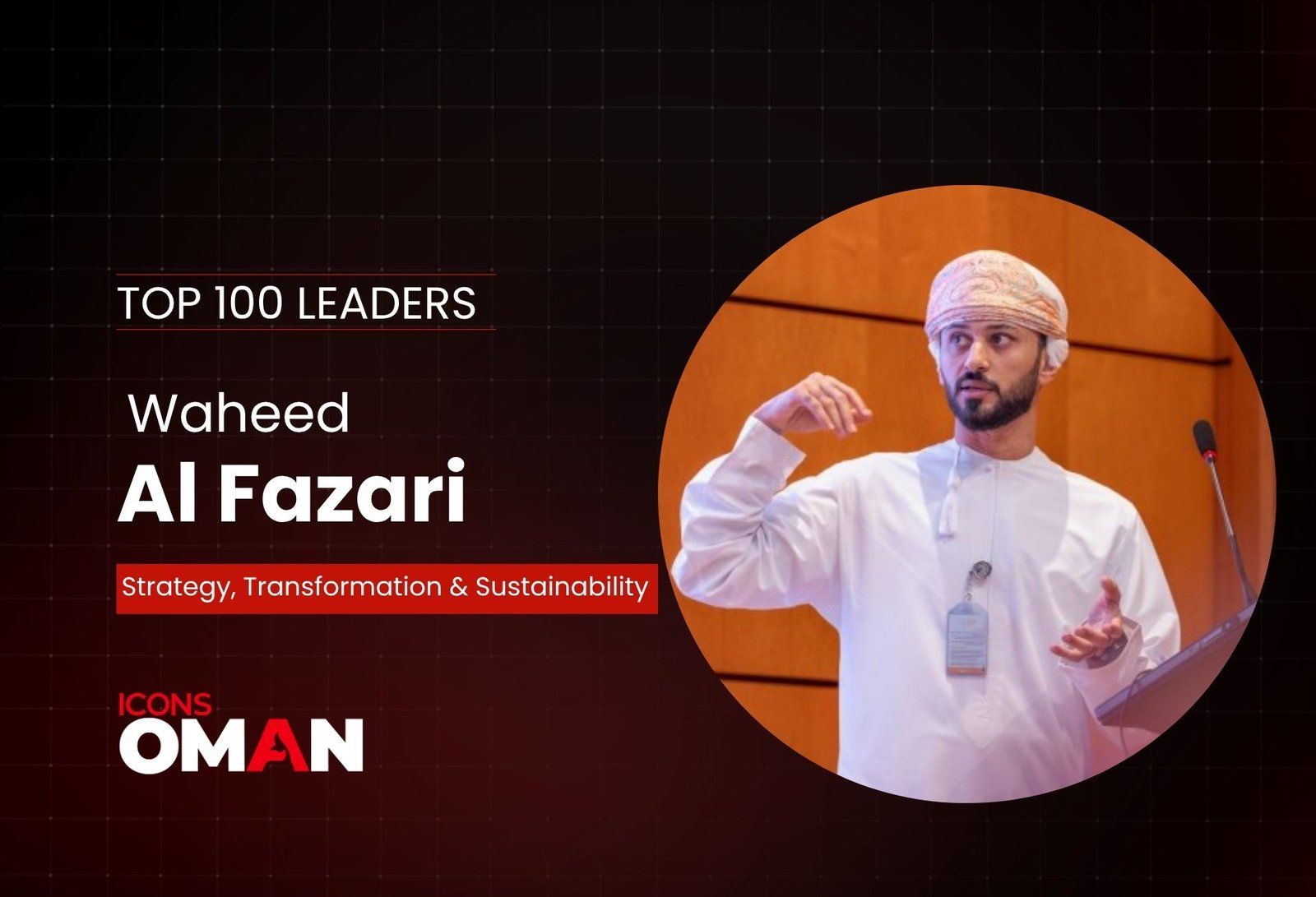
Waheed Al Fazari approaches this transformation through a distinct lens. Operating at the convergence of heavy industry, sovereign climate diplomacy, and ecological science, he has established himself as a strategic architect of sustainable transformation within Oman’s energy ecosystem. His work demonstrates that sustainable corporate practice delivers its greatest enterprise value when treated not as a constraint on growth, but as an engine of long-term economic resilience.
“Sustainability achieves strategic power only when it moves from the periphery of compliance into the core of corporate decision-making.”
From Ecological Systems to Industrial Architecture
The ability to lead industrial transformation often requires an understanding of complex systems. Al Fazari began his professional trajectory in field biology and environmental research, studying wildlife populations, biodiversity dynamics, and ecological equilibrium across the Sultanate and internationally.
This foundational background in scientific inquiry and field research, preserved in his published studies on avian ecology and satellite-tracked migration patterns, established a discipline rooted in empirical systems thinking. Natural ecosystems, much like modern industrial conglomerates, rely on interconnected inputs, continuous feedback loops, and balanced resource flows. By translating the principles of ecological equilibrium into corporate operating environments, he approaches complex manufacturing footprints with an analytical clarity that bridges technical realities with broader environmental outcomes.
Reframing Sustainability as an Engine of Competitiveness
Modern industrial operations face mounting pressure to reduce carbon intensity while expanding operational efficiency. Navigating this balance requires executive frameworks that align environmental, social, and governance metrics directly with commercial objectives.
In his executive role as Sustainability Manager at OQ, Al Fazari directs comprehensive ESG strategies designed to enhance institutional transparency and operational performance. Rather than treating sustainability reporting as a retroactive accounting task, he spearheads the integration of advanced sustainable technologies across supply chains and production processes. This data-backed approach transforms raw operational data into actionable risk insights, enabling executive leadership to allocate capital toward solutions that reduce emissions while preserving margin integrity.
“True operational resilience is achieved when ecological accountability and commercial discipline reinforce one another.”
Operationalising ESG in Energy and Mega-Refineries
The credibility of any corporate environmental strategy is determined by its execution within complex, capital-intensive infrastructure. During his tenure at the Duqm Refinery (OQ8), Al Fazari was instrumental in structuring environmental assurance frameworks for multi-billion-dollar industrial assets.
Managing large-scale environmental management plans and spearheading greenhouse gas accounting task forces, he established auditable compliance models aligned with stringent international lending standards. His stewardship of significant biodiversity offset initiatives demonstrated how major industrial developments can balance critical refining output with habitat preservation. By conducting rigorous site assessments, environmental audits, and root-cause analyses, his frameworks proved that large-scale energy infrastructure can operate in alignment with global regulatory mandates.
Global Climate Diplomacy and Sovereign Representation
As national economies decarbonise, international climate policy increasingly dictates cross-border trade terms and capital flows. Navigating these multilateral frameworks requires negotiators who understand both domestic industrial interests and the intricate language of international climate accords.
Representing the Sultanate of Oman as an official climate negotiator at COP29 in Baku and COP30 in Belém under the Environment Authority, Al Fazari contributes directly to shaping national positions within the UNFCCC framework. Working across key agenda items, including the Paris Agreement, the Just Transition Work Programme, and the Global Stocktake, he helps align national interests in mitigation, adaptation, and climate finance while reinforcing strategic regional consensus within the GCC and Arab Group negotiating blocs. This diplomatic engagement ensures Oman’s industrial transition is represented with authority on the global stage.
“Sovereign climate diplomacy succeeds when national economic priorities are articulated with scientific rigor and institutional foresight.”
Strategic Priorities in Industrial Transformation
Guiding industrial organizations through the global low-carbon transition requires focused execution across multiple operational dimensions. His leadership continues to focus on:
- Aligning corporate ESG frameworks with overarching business strategy
- Implementing greenhouse gas accounting and transparent reporting systems
- Advancing national climate policy within multilateral negotiation forums
- Integrating sustainable technologies across industrial supply chains
- Structuring biodiversity offset frameworks for high-value capital assets
Governance, Capital Allocation, and Future Resilience
Long-term industrial competitiveness is fundamentally a question of governance and capital stewardship. An effective sustainability strategy must inform where an organization invests its capital, how it manages environmental risk, and how it trains its future workforce.
Al Fazari has continuously broadened his strategic perspective through advanced academic training, including executive studies at Saïd Business School, University of Oxford, executive management development at the Royal Academy of Management, and advanced studies in Global Environment and Sustainability with the University of London. Additionally, his advisory role on the Department of Biology board at Sultan Qaboos University reflects a sustained commitment to bridging academic knowledge with corporate application. By linking scientific rigor to corporate governance, he ensures that sustainability remains an indispensable pillar of enterprise resilience.
Recognition by Icons Oman
The ongoing economic evolution of the Sultanate of Oman requires leaders capable of aligning industrial development with global environmental realities. Waheed Al Fazari represents this forward-looking leadership model, combining scientific expertise, industrial execution, and sovereign diplomatic contribution.
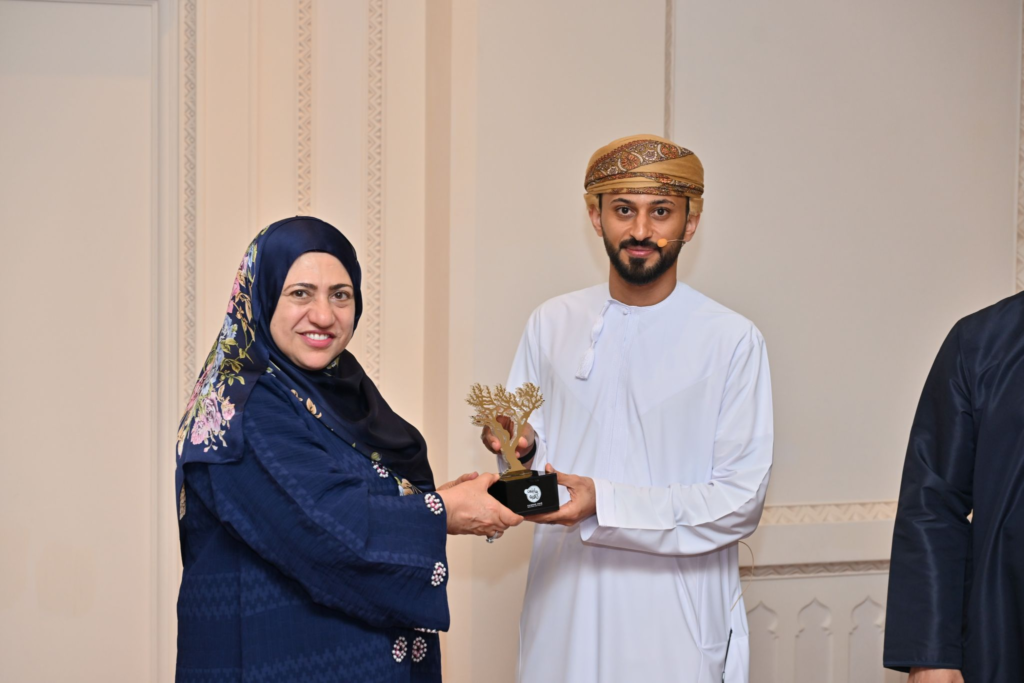
His work demonstrates that modern sustainability is not an ideological pursuit, but a disciplined business capability that safeguards economic competitiveness and institutional trust. Through his dedication to strategic governance, transparent performance, and national representation, he continues to shape how Omani industry builds sustainable value for the decades ahead.


No Comments