Ali Al Ajmi: Turning Treasury into a Strategic Engine
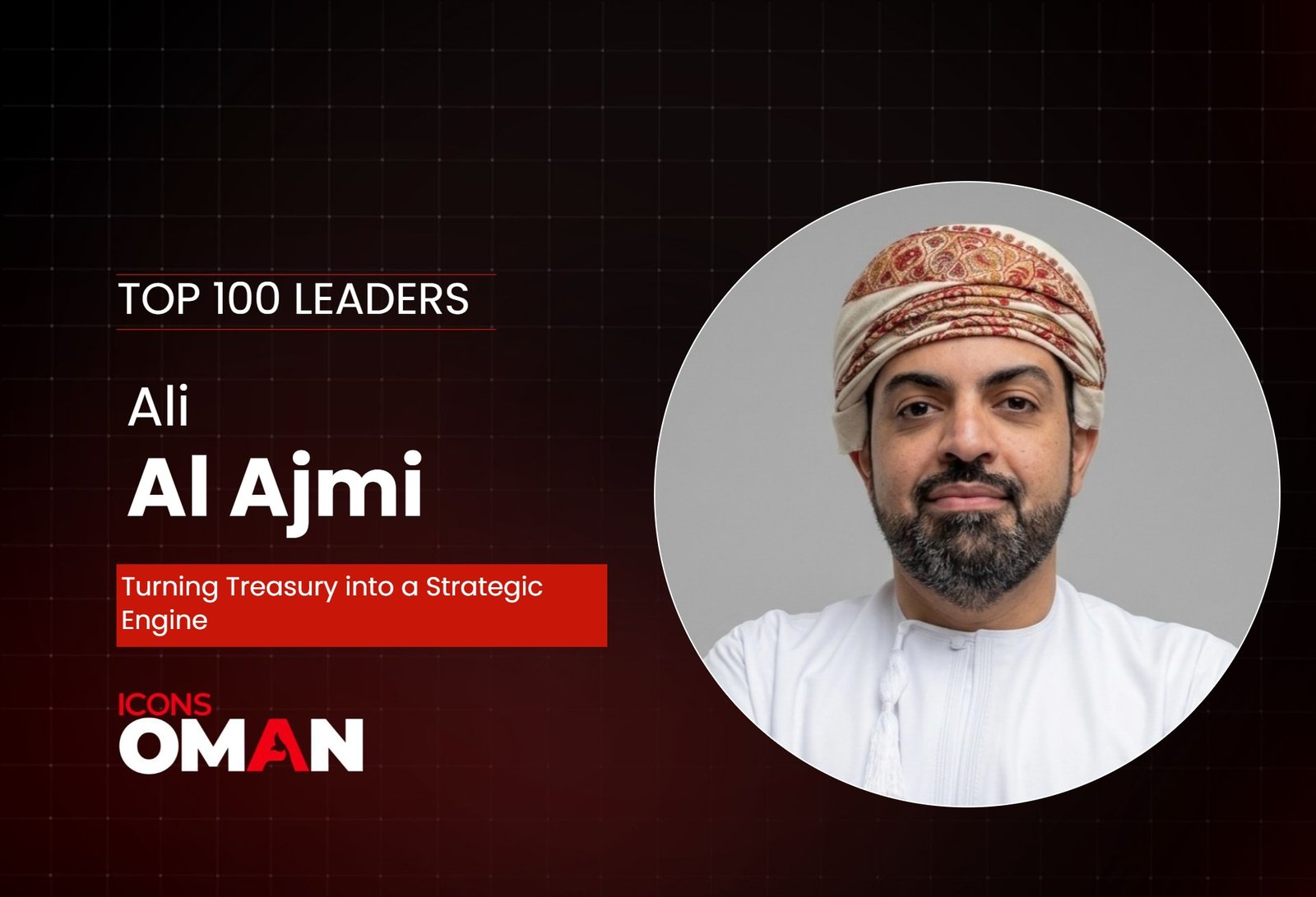
Ali Al Ajmi is currently Vice President, Treasury at QNB Group in Muscat, where he leads liquidity strategy, ALM, FX risk management and balance sheet optimisation. His career spans twenty years across Omani and regional banking, from clerk to dealer to director, now integrating macroeconomic insight with data-driven execution.
A Career Built in Muscat’s Financial Landscape
Al Ajmi’s professional life has unfolded almost entirely in Muscat, beginning at BankDhofar in 2005 as a clerk. That early exposure to day-to-day banking gave him direct familiarity with the institutions that underpin Oman’s financial system. He moved on to Standard Chartered Bank as a junior dealer, learning how currency and market activity operate in practice before joining First Abu Dhabi Bank in 2007.
At First Abu Dhabi Bank, he spent more than thirteen years as Director of Asset and Liability Management. This long tenure placed him at the centre of decisions about funding, balance-sheet composition and exposure to interest-rate movements. His subsequent move to QNB Group in 2020 marked a shift from specialist ALM work into broader treasury leadership, where he now oversees liquidity and FX risk alongside strategic balance-sheet planning.
Alongside his QNB role, Al Ajmi founded Horizons Investments in 2017 and continues to serve as its founder and chief executive. This dual involvement keeps him connected to both institutional treasury practice and independent financial services work, giving him a vantage point that spans corporate banking and entrepreneurial advisory.
Liquidity, Risk and Enterprise Goals
In his current QNB Group role, Al Ajmi is described as a trusted partner to C-suite leaders in designing agile funding strategies and strengthening institutional resilience. His core responsibilities include cost-of-funds modelling, cash-flow optimisation and aligning treasury operations with enterprise-wide strategic goals. These tasks require constant attention to the relationship between market conditions and the bank’s own funding needs.
Foreign-exchange risk adds another layer of responsibility. Treasury teams must manage exposure as currency movements affect the value of assets, liabilities and customer transactions. Al Ajmi’s profile highlights his focus on turning market signals into decisions that protect and create value, rather than simply recording market changes after they happen.
The ALM dimension links short-term liquidity to longer-term balance-sheet strategy. By matching funding sources against future obligations, treasury helps the institution remain stable while pursuing growth. Al Ajmi’s work therefore sits at the intersection of day-to-day cash management and the bank’s longer-range financial planning.
Treasury becomes most valuable when it stops being a cost centre and starts acting as the bank’s strategic nervous system, turning market data into funding decisions before competitors have finished debating the data.
From Market Signals to Value-Driven Decisions
Al Ajmi describes treasury as more than a control function, arguing that forward-thinking teams can turn market information into practical action. This philosophy shapes how he approaches data-driven execution. Instead of waiting for instructions, his teams assess changing rates, liquidity conditions and currency movements, then recommend steps that support the bank’s risk-adjusted performance.
Two decades of experience across dealer, senior manager and executive roles give him a broad view of how treasury decisions affect customers, counterparties and internal stakeholders. A dealer sees immediate market prices; a senior manager sees funding structures; an executive sees how those structures serve corporate strategy. Al Ajmi’s career path has allowed him to develop each of these perspectives.
His education reinforces this combination of practical and strategic understanding. He earned a diploma in accounting from Sultan Qaboos University in 2004, followed by an MBA from the University of Bedfordshire in 2015. The sequence moves from foundational financial literacy to wider business leadership, mirroring his movement through progressively broader responsibilities in banking.
Institutional Resilience in Oman’s Financial Sector
Oman’s banking sector plays a central role in channelling capital, managing payments and supporting economic activity across the sultanate. Treasury operations determine how efficiently institutions can meet obligations, fund lending and respond to market shifts. Al Ajmi’s work at QNB Group therefore contributes to the stability and competitiveness of a sector on which businesses and individuals throughout Oman rely.
His profile emphasises institutional resilience, suggesting that treasury leadership is measured not only by daily transaction volumes but by the organisation’s capacity to absorb disruption and continue serving clients. Resilience comes from prudent liquidity buffers, clear-eyed risk limits and funding strategies that remain viable under different economic conditions.
For readers interested in Oman’s financial leadership, Al Ajmi’s career shows how specialised treasury expertise can grow into wider organisational influence. The path from clerk to vice president illustrates that deep technical knowledge, paired with strategic thinking, can shape how a major institution manages its most fundamental financial resources.
Recognition by Icons Oman
Recognition by Icons Oman places Ali Al Ajmi among leaders whose professional influence is connected to Oman’s economic development. His documented work in treasury, ALM and FX risk at QNB Group, combined with a long record of service in Muscat’s banking sector, demonstrates the kind of specialised expertise this audience values. His continued contribution suggests that institutional strength is built not only through capital and technology, but through experienced leaders who can translate complex market conditions into sound financial decisions.