



















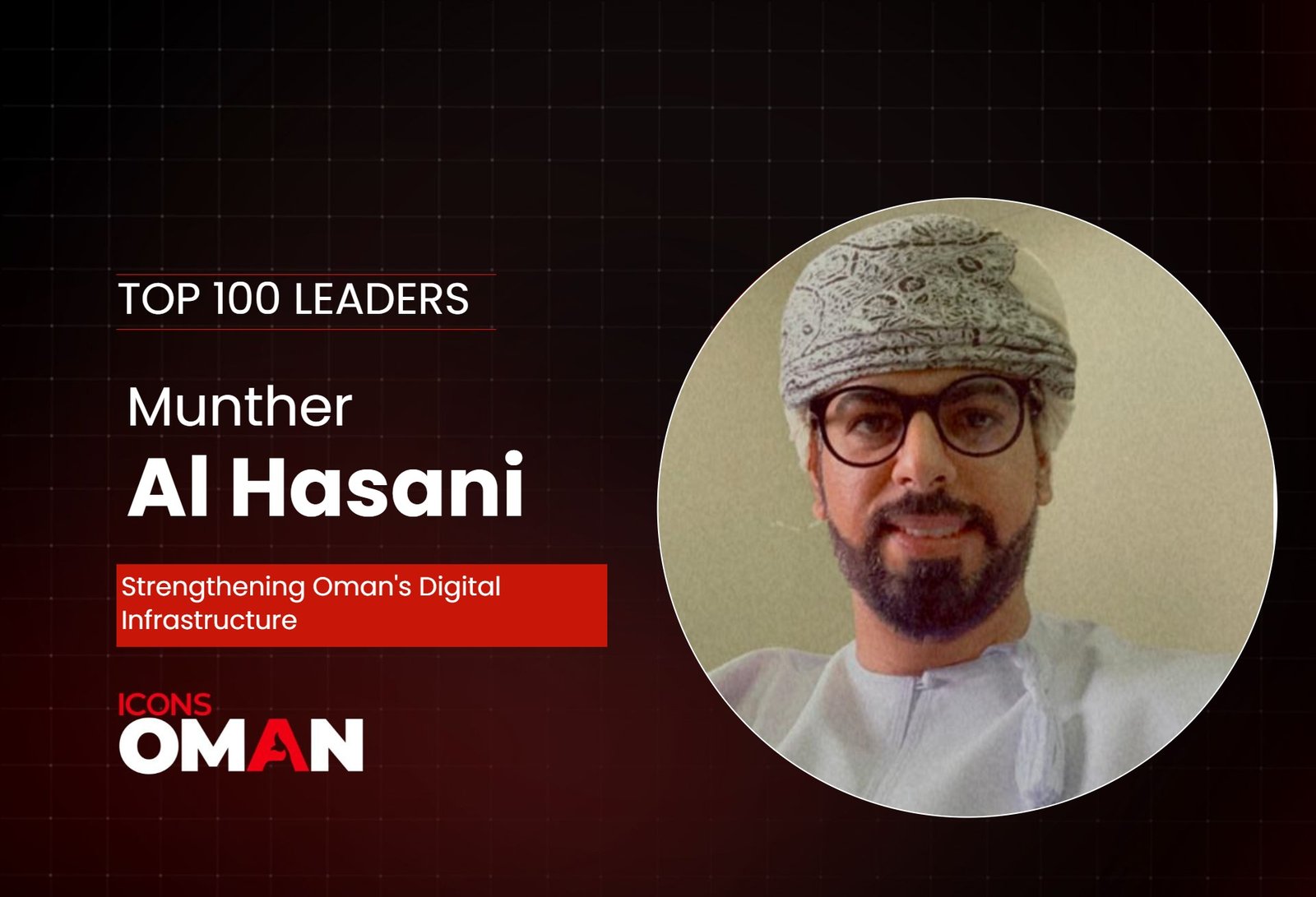
Securing the digital foundations of a high-level government institution requires more than technical vigilance; it demands a deep understanding of how complex infrastructure serves the public interest. Munther Al Hasani has dedicated over thirteen years to this mission, operating from his base in Muscat to architect environments where data integrity and system availability are prioritised as the pillars of public trust.
His transition from foundational systems engineering to a leadership role in cybersecurity defines his current approach to modern digital governance. By managing the protective layers that shield essential networks and data centres, he provides a calm, systematic expertise that allows the organisation to navigate an increasingly sophisticated and volatile threat landscape with confidence. His career reflects a sustained commitment to bridging the gap between high-level policy and the realities of ground-level network protection.
Architecting Layers of Digital Defence
The technical framework managed by Munther Al Hasani encompasses the entire lifecycle of enterprise protection. As Information Security Section Head, he oversees the deployment of critical security controls, including advanced firewalls, web application security systems, and privileged access management tools. These implementations represent a strategic shift toward proactive defence, where every node in the network is considered a critical asset requiring constant oversight and maintenance.

These systems act as the silent sentinels of government operations, working around the clock to detect and neutralise potential vulnerabilities. By implementing granular endpoint protection and network access control, he ensures that the internal digital architecture remains hardened against intrusion, effectively turning theoretical security frameworks into functional, daily realities for the institution. He focuses on the configuration of complex security gateways, ensuring that email traffic, web traffic, and privileged user actions are scrutinised to prevent data leakage and unauthorised access.
Bridging Engineering Depth and Security Strategy
A technical background in computer systems engineering allows him to approach cybersecurity challenges with granular insight that few others possess. His early career included extensive experience in hardware design, firmware development, and network integration, which informs his present ability to lead large-scale, high-stakes security projects such as the relocation of complex data centres.
He ensures that these migrations are executed with minimal risk to the organisation, treating the physical infrastructure as an extension of the logical security perimeter. By integrating physical security protocols with digital safeguards, he maintains the continuity of vital government systems during periods of significant operational change.
This ability to reconcile technical requirements with the broader need for stability proves that infrastructure resilience relies on meticulous planning and an exhaustive understanding of the hardware-software stack. By managing the interaction between processors, circuit boards, and the software that runs them, he delivers a level of defensive rigour that supports the organisation’s long-term operational health.
True digital resilience is found not only in the strength of individual security tools but in the disciplined integration of these controls into the wider operational framework of an organisation.
Cultivating Operational Readiness and Compliance
Maintaining a high state of operational readiness involves more than installing the latest software; it requires a culture of constant assessment and proactive improvement. Al Hasani directs regular vulnerability assessments and penetration testing to identify potential weak points within the government environment before they can be exploited. This systematic hunting for threats ensures the organisation remains ahead of adversaries who seek to disrupt public services.
He aligns these processes with international standards such as ISO 27001, providing a structured and transparent approach to asset management. This commitment to compliance ensures that the institution is not just reacting to immediate threats, but proactively managing the entire lifecycle of its digital assets.
By conducting regular code reviews and security assessments, he ensures that the applications running the government’s services are built and maintained with security as a primary objective rather than an afterthought, thereby fostering a robust ecosystem of digital reliability.
Advancing Sustainable Security Practices
As the cybersecurity landscape evolves, the integration of new technologies into existing workflows remains a core focus for Al Hasani. Whether deploying advanced endpoint detection systems, such as Kaspersky EDR, or mentoring technical teams in incident response and log analysis, he prioritises sustainable practices that reduce the organisation’s attack surface over time. This proactive approach includes tightening user privileges and enforcing the principle of least-privilege to prevent internal risks from escalating.

This holistic view of risk mitigation helps transform security from a series of individual tasks into a cohesive organisational habit. By bridging the gap between global best practices and the specific context of his work in Muscat, he supports the development of a resilient digital future. He remains dedicated to continuous learning, recently expanding his skill set to include AI-driven security visioning, ensuring that his department stays capable of addressing the contemporary risks posed by modern attack platforms.
Recognition by Icons Oman
As a recognised leader in Muscat, Munther Al Hasani exemplifies the technical diligence required to sustain public trust in modern government systems. His career illustrates how the sustained application of security principles supports the broader, long-term goals of national digital infrastructure. By focusing on the structural integrity of data centres and the reliability of networks, he provides a quiet, foundational contribution to the professional landscape of Oman, ensuring that critical institutions remain prepared for the challenges of tomorrow.
Connect with us




No Comments